Curious about furnished rentals that last longer than a weekend but shorter than a year? If you own property in Bucks County or nearby, a mid-term rental could be the flexible, revenue-friendly option you have been looking for. You want steady occupancy, fewer turnovers than short-term rentals, and residents who need a comfortable, turnkey place for a few months. In this guide, you will learn what a mid-term rental is, how it compares to other models, where local demand comes from, what rules to check, and how to set yours up for success. Let’s dive in.
What is a mid-term rental
A mid-term rental is a furnished lease that typically runs 30 to 90 days. Some hosts accept stays up to 180 days or more, depending on the situation. These leases are designed for temporary residents who need a place for a few months, not just a few nights.
Compared with short-term rentals, mid-term stays have fewer turnovers and less marketing churn. Compared with a 12-month lease, you will handle more turnovers but often at a higher monthly rate because of the convenience and furnishings. Mid-term units usually include utilities and high-speed internet, and they follow clearer screening and lease documentation than nightly bookings.
How it compares to short- and long-term
- Lease length: 30 to 90 days for mid-term, nightly or weekly for short-term, and 6 to 12 months or more for long-term.
- Furnishings: mid-term rentals are typically furnished and stocked with basics. Long-term rentals are often unfurnished. Short-term rentals are fully furnished with hotel-like amenities.
- Turnover cadence: mid-term has less turnover than short-term, more than long-term.
- Pricing: monthly rates usually sit above unfurnished long-term rents but below the nightly equivalent of peak short-term pricing.
- Taxes and rules: short-term rentals often face hotel or occupancy taxes and specific municipal rules. Mid-term stays that are 30 days or more may fall outside some transient-occupancy rules, but you must verify this by municipality.
Why Bucks County fits mid-term
Bucks County blends suburban neighborhoods, historic towns like Doylestown and New Hope, and proximity to major corridors such as I‑95 and I‑276. The area draws a steady flow of temporary residents who want furnished, month-to-month options. You can serve several demand segments with one well-prepared property.
Common mid-term guests in the region include:
- Traveling healthcare professionals on multi-week assignments at area hospitals and rehabilitation centers
- Corporate consultants and project teams on short engagements
- Homeowners between closings or completing renovations who need bridge housing
- Individuals and families relocating to Greater Philadelphia who want a base while they search
- Academic visitors, interns, and graduate students on limited appointments
- Workers tied to construction or infrastructure projects that cross county lines
- Seasonal visitors drawn to tourism hubs such as the New Hope area who prefer longer stays
This mix creates a practical niche for furnished monthly rentals across Bucks County and nearby Montgomery and Chester counties.
Regulations to check first
Pennsylvania leaves much of the zoning and rental rulemaking to municipalities. There is no single countywide rule for short-term or mid-term rentals. Because definitions and taxes vary, you should confirm requirements for the specific borough or township where your property sits.
Key items to verify locally:
- Municipal ordinances: definitions for transient lodging, duration thresholds, and any rental licensing or inspection rules
- Zoning: what uses are permitted for your property type and location
- Taxes: any municipal or county hotel or occupancy taxes and whether duration affects tax treatment
- Insurance: whether your landlord policy covers furnished mid-term use or if you need a specific endorsement
- Fair housing compliance: consistent screening policies that follow federal and state fair housing laws
- Safety and habitability: smoke and CO detectors, egress, and required disclosures such as lead paint for older homes
Recommended workflow:
- Review the township or borough’s zoning and rental licensing pages for your property address.
- Consult Pennsylvania landlord‑tenant statutes and a local attorney to align lease terms, deposits, and procedures.
- Confirm insurance coverage with your agent and secure any needed endorsements for furnished or mid-term use.
- Speak with a CPA about state and local tax treatment and how length of stay may affect obligations.
Setup essentials for a mid-term
Creating a reliable mid-term rental starts with the right location, thoughtful furnishing, and clear systems. Focus on convenience and comfort for residents who want to unpack and get to work or settle into daily life fast.
Furnish for real life
- Quality beds and mattresses for every sleeping area
- Dining table and seating, plus comfortable living room seating
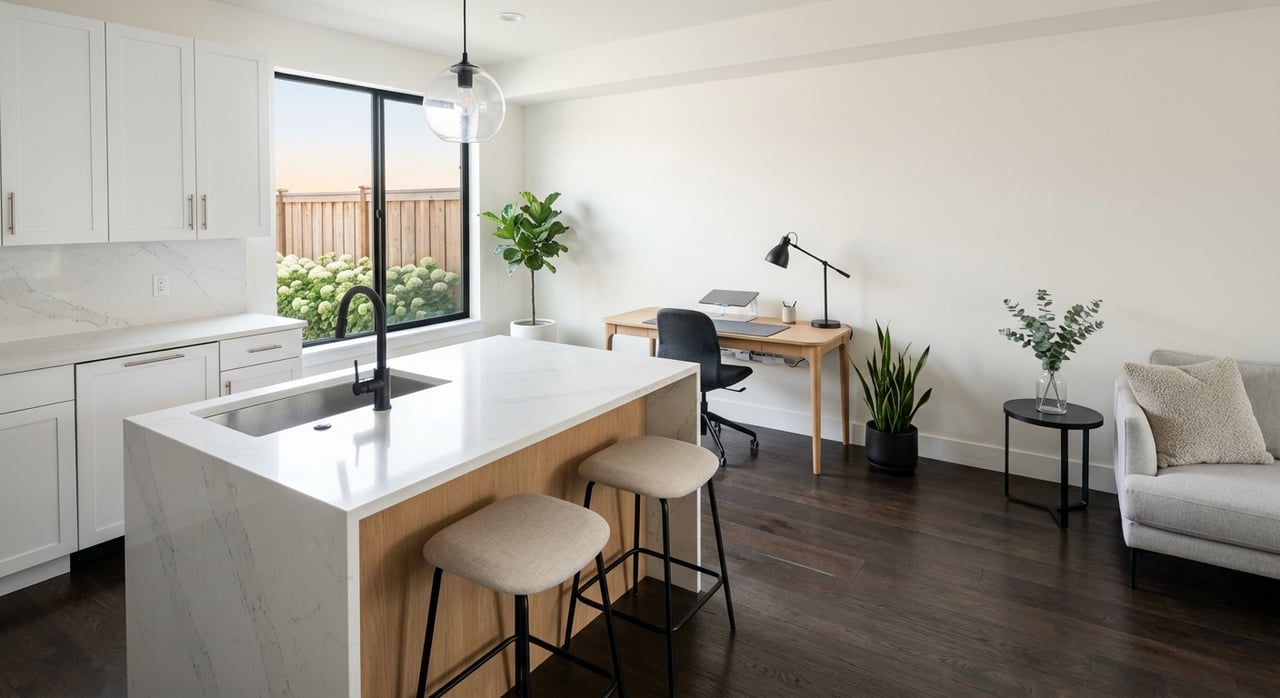
- A functional workspace or desk with task lighting
- Washer and dryer access
- Cookware, basic kitchen tools, dishes, glassware, and utensils
- Linens, towels, and spare sets
- TV with streaming capability and an easy-to-use setup
- High-speed internet
- Cleaning supplies and a vacuum
- Safety gear such as smoke and CO detectors and a first-aid kit
Include utilities and internet
All-inclusive pricing is common and simplifies the experience. Decide if you will include electric, gas, water, trash, and Wi‑Fi. List any caps on utility usage in the lease so expectations stay clear.
Lease terms and screening
Use a clear month-to-month or fixed 30, 60, or 90 day agreement. Spell out payment dates, deposits, late fees, damage policies, and what is included. Screen guests consistently and fairly. For traveling professionals, verify assignments or contracts. Use background and credit checks that comply with fair housing guidelines.
Housekeeping and maintenance
Plan for turnover cleanings between stays, periodic deep cleans, and routine maintenance. Build a vendor list that includes housekeeping, handyman services, HVAC, and landscaping. Quick response times protect your asset and your reviews.
Budget and returns basics
Mid-term rentals usually command a premium over an unfurnished 12‑month lease, because you provide furnishings, utilities, and flexibility. Returns vary by location, condition, season, and guest profile. Think in terms of stability with less volatility than nightly bookings, and a higher monthly rate than standard long-term.
Typical costs to budget
- Furnishings and setup: from a few thousand dollars to higher amounts for larger or design-forward homes
- Turnover cleaning and restocking between stays
- Utilities and internet if included
- Routine and preventive maintenance
- Management fees if you use a turnkey operator
Occupancy and revenue
Mid-term stays often run longer on average than nightly bookings, which can reduce vacancy days and marketing costs. The premium you earn may be balanced by the cost of furnishings and utilities. Track your numbers by season to spot patterns and refine pricing.
Seasonality notes
Tourism areas such as the New Hope corridor may bring stronger seasonal interest. Healthcare demand can cycle with hospital needs. Keep a simple calendar of local events and typical assignment seasons to guide pricing and minimum stay rules.
The role of a turnkey manager
A seasoned local manager can shorten your setup time and improve your resident experience. This is especially helpful if you are an absentee owner or new to furnished rentals.
What a manager typically handles:
- Property setup: sourcing furniture, décor, and staging for photos and listings
- Marketing: listing on mid-term channels, inquiry management, and pricing
- Screening and leasing: verifying assignments, drafting mid-term leases, and collecting deposits and rent
- Operations: cleanings, linen service, utility setup, maintenance coordination, and smooth move-ins and move-outs
- Accounting and compliance: monthly statements and support with local licensing or safety requirements where applicable
- Guest services: responsive support during the stay and handling extensions
Pros and cons:
- Pros: time savings, local market expertise, vendor networks, streamlined accounting
- Cons: management fees reduce gross rent, and you still carry the legal and property responsibilities
Fees and expectations:
Managers may charge a flat fee, a percentage of rent, onboarding or furnishing fees, and separate maintenance charges. Ask for an itemized proposal and references. Align on metrics such as occupancy targets, average length of stay, maintenance response times, and reporting frequency.
Quick owner checklist
- Define your ideal guest profile and minimum stay length
- Confirm local zoning, licensing, and any tax requirements
- Align insurance coverage for furnished mid-term use
- Budget for furnishings, utilities, and cleaning
- Create a clear lease and screening process
- Prepare a vendor roster for housekeeping and repairs
- Decide whether to self-manage or hire a turnkey manager
Ready to explore a mid-term strategy for your Bucks County property or across nearby counties? If you want a design-forward, hospitality-first setup with hands-off operations, connect with Hega Blue Property Management for a free property assessment.
FAQs
What does “mid-term rental” mean in Bucks County?
- A furnished lease of about 30 to 90 days, sometimes extending to 180 days or more, intended for temporary residents who need month-based housing.
How do mid-term rentals differ from short-term and long-term?
- Mid-term stays are longer than nightly or weekly bookings and shorter than 6 to 12 month leases, with furnishings and often utilities included, and fewer turnovers than short-term.
Who typically rents mid-term in the Greater Philadelphia suburbs?
- Traveling healthcare workers, corporate consultants, relocating families, homeowners between homes, academic visitors, interns, and workers on construction or infrastructure projects.
Do I need special insurance for a furnished mid-term rental?
- Many standard landlord policies do not fully cover furnished or mid-term use, so you should ask your insurer about endorsements or dedicated coverage for this setup.
Are mid-term stays taxed like hotel or short-term rentals in my township?
- Stays of 30 days or more may fall outside some transient-occupancy tax rules, but definitions and taxes vary by municipality, so verify with local authorities.
How much more can I charge versus a 12-month lease?
- Many mid-term homes earn a premium over unfurnished 12-month rents due to furnishings and flexibility, but actual rates depend on location, condition, and season.
What furnishings do guests expect for a 30 to 90 day stay?
- Quality beds, a usable workspace, stocked kitchen basics, linens and towels, washer and dryer access, TV with streaming, and reliable high-speed internet.
How should I screen traveling professionals fairly and effectively?
- Use consistent, fair-housing-compliant screening with ID checks, employment or assignment verification, and appropriate credit and background checks.
What do management fees typically cover for mid-term rentals?
- Setup and staging, marketing, screening and leasing, cleanings and maintenance coordination, utility setup, guest support, and monthly accounting, with fees that vary by service scope.